
Optimizing Vivo Life's Digital Infrastructure and Multi-Channel eCommerce

About
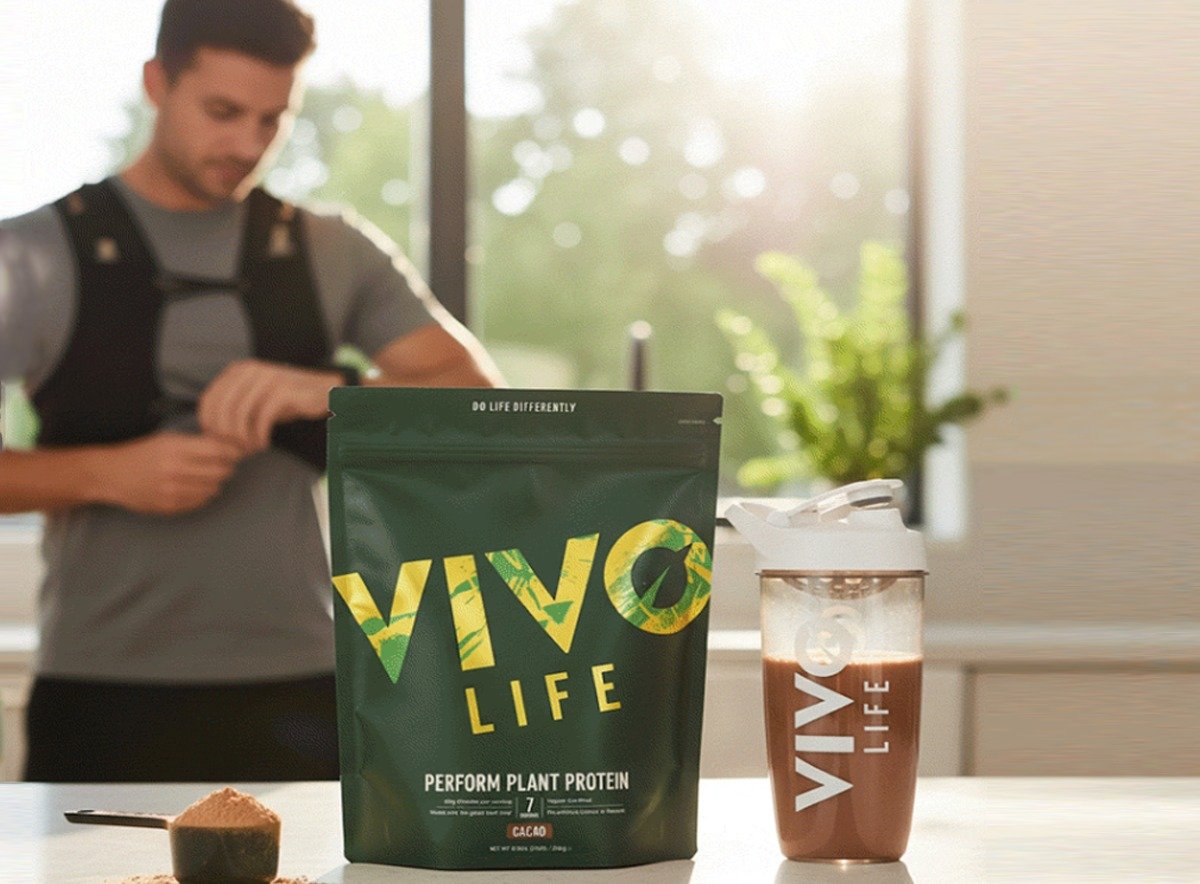
Vivo Life is a UK-based health and wellness brand that produces plant-based nutrition and
fitness supplements. Founded in 2014 by Salvatore Notaro, the company focuses on
creating clean, vegan products that support energy, strength, recovery, and overall
health. Their product range includes vegan protein powders, vitamins, meal replacements,
and superfood supplements. Vivo Life emphasizes sustainability, ethical sourcing, and
the use of natural ingredients without artificial additives, ensuring products that are
both environmentally responsible and health focused.
To serve customers globally, the company operates through multiple Shopify stores and
Amazon marketplaces for both B2B and B2C sales. As their international presence grew,
managing operations across regions and sales channels became more complex, leading them
to adopt a centralized ERP system and automated integration architecture to streamline
business processes and support scalable global growth.
Challenges
As Vivo Life expanded its global commerce operations, several operational challenges emerged.
-
Lack of a Centralized ERP
Initially, Vivo Life did not have a fully integrated ERP system. Key operations such as order management, financial reporting, and inventory tracking were managed across multiple systems, making it difficult to maintain a single, reliable source of truth for business data.
-
Limited Automation
Many operational processes required manual intervention, including:
- Processing orders from Shopify and Amazon
- Updating fulfillment statuses
- Managing refunds and returns
- Handling order cancellations
These manual processes slowed operations and increased the risk of human error.
-
High Operational Workload
Without automation and centralized data management:
- Teams had to manually reconcile orders across platforms
- Financial reporting required additional effort
- Inventory visibility across regions was limited
As the number of stores and marketplaces increased, the operational workload grew significantly.
Actions
To address these challenges, we implemented a multi-flow integration architecture that connects Shopify stores and Amazon marketplaces with NetSuite.
The integration automates the entire order lifecycle and ensures data synchronization between all platforms.
-
Integration Flows Implemented
-
Order Creation Flow: Orders placed on Shopify B2B,
Shopify B2C stores, and Amazon marketplaces are automatically imported
into NetSuite as Sales Orders. Key features include:
- Customer data mapping
- Product and SKU mapping
- Currency and tax handling for different regions
- Multi-store order processing
-
Fulfillment Synchronization Flow: When orders are
fulfilled, fulfillment updates are sent from Shopify and Amazon to
NetSuite. This flow ensures:
- Shipment tracking synchronization
- Real-time order status updates
- Accurate fulfillment information across platforms
- Return-Refund-Cancellation Flow: requests from Shopify and Amazon are synchronized with NetSuite.
- Inventory Management Flow: Whenever the inventory quantity is updated in NetSuite, the corresponding inventory is applied in Shopify automatically.
-
Order Creation Flow: Orders placed on Shopify B2B,
Shopify B2C stores, and Amazon marketplaces are automatically imported
into NetSuite as Sales Orders. Key features include:

Key Outcomes
The integration significantly improved Vivo Life’s operational efficiency and scalability.
- Automated order lifecycle across Shopify and Amazon
- Centralized ERP management through NetSuite
- Reduced operational workload
- Inventory Synchronization Across Channels
- Scalable infrastructure supporting global expansion